Introduction to Herpes
Many people live with herpes, whether it is cold sores or blisters in the genitals. This guide will explore the types, causes, and treatments of herpes as well as other crucial things we should know about it. Together let us go on this walkway and get to know more about how to handle this disorder.
Herpes Definition
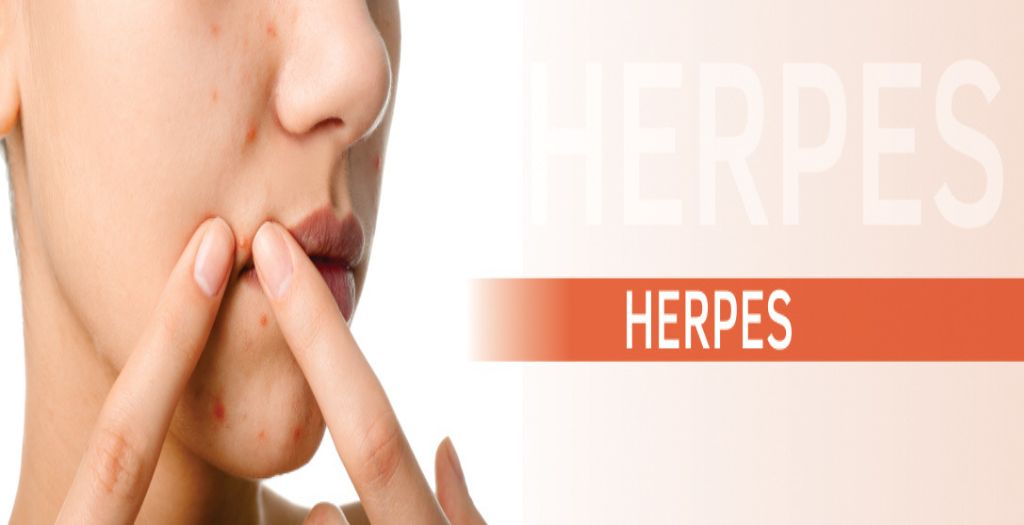
Herpes is an infection caused by herpes simplex virus (HSV) which is viral, and characterized by painful blistering or sores on the skin or mucous membranes. Herpes can either be oral herpes (cold sores) or genital herpes depending on where the infection takes place.
Herpes Meaning
The Greek word “herpes” originated from ancient times and it means “to creep” and “to crawl.” In simple terms, herpes highlights how the disease-causing virus crawls along nerve pathways before appearing on the skin surface as blisters. Mouth and lips are most commonly affected by oral herpes while genital areas are deliberately aimed at by the genital herpes.
Herpes Prevalence
Herpes is one of the most common virus infections that is seen in millions of people of almost all ages, genders, and geographical regions. The World Health Organization (WHO) has stated that almost 3.7 billion people aged up to 50, from all over the world, account for Herpes Simplex virus (HSV) type 1 which is the key contributor to oral herpes, and approximately 417 million individuals between the age of 15 and 49 are infected with Herpes Simplex virus (HSV) type 2, the primary cause for genital herpes. This data clearly shows the extent and the effect of herpes on the public.
Risk Population for Herpes
Herpes occurs because of unprotected sexual activity, having multiple sex partners, and performing intercourse at a very young age. People suffering from worsened immune systems, those with HIV/AIDS, and those who are going through chemotherapy pose a high risk of developing serious or recurrent herpes infections. Besides this, there are serious complications for infants born through a vaginal delivery of pregnant women carrying the genital herpes virus. This is known for transmitting neonatal herpes among them.
Prognosis of Herpes
In India, herpes prognosis can be different from other countries. Timely diagnosis and proper medication might turn out to be of great importance. By adhering to their medications and with the right support, the outbreaks and complications are minimized.
Types of Herpes
There are two main types of herpes simplex viruses:
1) Herpes Simplex Virus Type 1 (HSV-1)
Presentation: Typically manifests as cold sores or fever blisters on or around the lips and mouth. These lesions can be painful and can itch or burn before appearing. This is also called oral herpes.
Transmission: Primarily spread through direct contact with an infected person’s saliva, either through kissing, sharing utensils, or other close personal contact.
Recurrence: After the initial infection, the virus remains dormant in the nerve cells and can periodically reactivate, leading to recurrent outbreaks triggered by factors like stress, sunlight, or weakened immune function.
Complications: While oral herpes generally causes mild symptoms, severe or frequent outbreaks can be distressing. In rare cases, the virus could spread to other parts of the body, such as the eyes (herpes keratitis) or fingers (herpetic whitlow), leading to complications requiring medical attention.
2) Herpes Simplex Virus Type 2 (HSV-2)
Presentation: Characterized by painful sores or ulcers in the genital area, including the vagina, penis, buttocks, or anus. These lesions can be accompanied by symptoms like itching, burning, or flu-like symptoms. This is also called genital herpes.
Transmission: Primarily transmitted through sexual contact, including vaginal, anal, or oral sex with an infected individual. Genital herpes can also be spread from mother to baby during childbirth (congenital herpes) if the mother has an active infection.
Recurrence: Genital herpes, like oral herpes, could recur from time to time after the initial infection. Outbreaks might be triggered by stress, another illness, hormonal shifts, or sexual contact. Even after properly medicated with oral herpes medicine the second time around, rejection was intense and resulted in significant emotional distress. Recurrent infections, however, are generally not as severe as the first infection but continue to cause some irritation or emotional distress.
Complications: Genital herpes infection is hardly a life-threatening illness. Still, significant psycho-sociological complications may develop in patients, including an unethical attitude, psychological distress, and relationship problems. Neonates may develop herpes infections, which may lead to the following outcomes: death, miscarriage, or premature birth.
Given that oral and genital infections have distinct features, patients can be timely diagnosed. To for in convenient check-ups, individual hygiene measures should be applied.
Herpes Stages
Oral herpes and genital herpes condition is known to have several stages of disease and each stage is demonstrated with unique symptoms and physiological changes.
Oral Herpes Stages:
- Primary Infection: This is the very beginning of the illness and the signs include fever, headache, and swollen lymph nodes. Appearance of such cold sores or the typical fever blisters around the mouth while developed.
- Latent Phase: Viruses become covered in nerve cells that are located near the initial infection site. Non-specific symptoms although the virus can reoccur.
- Recurrent Outbreaks: The symptoms comprise multiple processes like the formation of new plaques or reactivation of long-stood disease processes. Contagions can result from physical or emotional stressors or follow an infectious disease or a degree of sunlight.
- Transmission: The virus can be transmitted in an asymptomatic fashion, therefore the chance of the spread of the infectious disease is increased. The best measures to implement for curtailing infection risk are regular testing and prevention technologies.
Genital Herpes Stages:
- Primary Infection: First off, there is a flu-like feeling and the painful blisters stemming from the genital area makes it unbearable. A person with a new rash sometime between 2-20 days following virus contact can have lesions.
- Latent Phase: Virus sticks at a resting place which is in the nerve cells not far away from the initial infection spot. Absence of symptoms but smaller outbreaks happen.
- Recurrent Outbreaks: Symptoms are always coming back, but they are less severe than the initial ones. People experience these different types of epidemics in quantity and intensity.
- Transmission: The virus can continue to spread even if the index case is not seen to be symptomatic. Initiatives, including condom use and not engaging in sexual affairs during the outbursts of these diseases, are indisputable preventive measures.
Herpes Causes
Oral Herpes Causes
Herpes Simplex Virus Type 1 (HSV-1):
The main cause factor of oral herpetic infection is herpes simplex virus type 1 (HSV-1) which is the original agent of type 1 herpes. This virus is highly transmissible and it gets spread by coming into close contact with saliva, lesions, or mucous membranes of an individual already infected.
Childhood Exposure:
Many adults even develop the HSV-1 virus during childhood through close contact with infected family members, exchanging saliva, sharing dishes, and kisses; unfortunately most of them do not know it.
Viral Transmissions:
Even though an oral herpes-infected person will not have any visible symptoms, he/she will shed the virus and that way could potentially infect another individual by just a simple close contact similar to kissing or sharing towels and lip balm with him/her.
Genital-Oral Transmission:
The oral herpes infection can cause any person to be affected sexually through contact of his/her mouthed herpes lesions with that of the infected partner or in the shed virus from that partner. This can take place during oral sex when you come into contact with a partner, who is infected.
Vaginal Transmission:
If pregnant women have genital herpes, the virus passes on through vaginal delivery to their newborn who then gets a neonatal herpes infection. This type of transfer, otherwise known as infecting the transplacental transmission can be very dangerous for the newborn.
Genital Herpes Causes
Herpes Simplex Virus Type 2 (HSV-2): The disease of genital herpes is associated mainly with the herpes type 2 simplex virus (HSV-2). This virus is transmitted by the mechanism of sexual contact. It involves vaginal, anal, or oral sex with the affected person.
Sexual Activity: The unprotected sexual emission to the infected partner significantly raises the likelihood of genital herpes transmission. The virus can be shed out even intermittently, implying that people spread the virus in the form of skin lesions or without any lesions.
Vaginal Transmission: A pregnant woman with genital herpes can infect her full-term child with the virus during childbirth, which develops into herpes infection. There are several ways for prenatal transmission to take place, and this mode is extremely dangerous for the newborn.
Skin-to-Skin Contact: Alongside genital herpes transmission routes through genital skin contact, even in the absence of visible ulcers, many people are vulnerable to this infection. Human interaction and contact, especially in the case of sexual contact with an infected partner and object sharing where there is contamination, can make the spread possible more easily.
Oral-Genital Transmission: Herpes infection of the genitals can spread to an infected partner when there is primary oral-genital contact. HSV-2 is the principal factor behind genital herpes cases, while HSV-1 can cause them too if the virus is transmitted from oral to genital areas. Such actions can happen, indeed, when an HSV-1-affected person contracts genital herpes after having oral sex with a partner.
Herpes Simplex Risk Factors
Sexually Active Individuals:
People who do not practice safe sex, for instance, engaging in unprotected sexual intercourse with multiple partners or people with hidden herpes complaints, are at risk of contracting genital herpes (HSV-2). The upper respiratory tract can also get infected with unprotected oral herpes which can eventually reach the genitals.
Adolescents and Young Adults:
It is more likely to occur among sexually active teenagers and young people, many of whom are in their late teens and early twenties. So, the HSV -2 is the reason for this.
People with Weakened Immune Systems:
The highly vulnerable immune systems of HIV/AIDS patients, those receiving chemotherapy, and individuals consuming immunosuppressants, will expose them to higher HSV risks. A weakened immune system means it is hard for the body to stop the virus from developing and as a result allows the person to catch the virus easily and the symptoms are more detrimental.
Individuals with a History of Herpes:
An individual that has been infected with herpes, either oral (HSV-1) or genital (HSV-2), are at risk of having the outbreak recurrently. The virus is capable of persisting in the body without activity and even develops the ability to attack the body, particularly during stressful times and when one’s immunity is low.
Becoming familiar with HSV risk factors allows no one to neglect to take the preventive actions that are projected to be successful in the minimizing chances of transmission. As well as regular checking of symptoms (e.g. do not practice unsafe sex, keep good personal hygiene, manage stress well, and make a medical consultation if necessary for proper diagnosis and treatment could minimize the consequences and the risk associated with HSV.
Herpes Symptoms
Let’s outline the symptoms of oral herpes (HSV-1) and genital herpes (HSV-2) separately.
Oral Herpes Symptoms (HSV-1):
Cold Sores: White or salmon blisters on the outer border of lips, mouth, or gums tend to be the most common symptom associated with oral herpes outbreak. They usually itch and drench in painful pus-containing fluid.
Tingling or Itching: People usually feel tingling, itching, or burning around the affected area before cold sores appear.
Pain or Discomfort: The cold sores sometimes can create pain or irritation and mainly it affects eating, drinking, and talking. The scabs can occur due to drying up and crusting over sores. It heals as they clean up.
Swollen Gums or Lymph Nodes: In rare cases, orally acquired herpes may result in the swelling of gums or lymph nodes at times. This may lead to the formation of unpleasant feelings and swelling in the affected organs.
Genital Herpes Symptoms (HSV-2):
Genital Lesions: The most distinct symptom of genital herpes is the presence of painful blisters, open ulcers, or sores in the genital area that affect males on the penis, scrotum, females on the vulva, vagina, and anus. Frequently, these lesions are accompanied by reddish, swollen spots and irritation.
Pain or Discomfort: Herpes genitalis lesions can be painful for the sufferer as they bring along itchy, burning, and tingling sensations on the infected site. Such feelings may grow more intense on occasions when one is urinating or making love.
Flu-like Symptoms: A flu-like symptom is not rare among individuals who have genital herpes when they experience their first outbreak, which includes fever, headache, muscle aches, and groin lymph nodes that are swollen.
Recurrent Outbreaks: Genital herpes reactivation can cause recurrent outbreaks after the initial infection with new lesions appearing in the genital regions. They bring about episodes that are not too severe like Episode 1 but will continue to cause uneasiness and affliction.
All symptoms of oral and genital herpes occur with varying severity. Therefore, they have distinct characteristics between persons. Sometimes people have a slight encounter with troubles or no troubles at all, but most of the time they go through rough and repeated outbreaks. If you feel you are having a herpes infection, then you have to consult a doctor for a test and cure.
Herpes Complications
Here are the potential complications of oral herpes (HSV-1) and genital herpes (HSV-2) if it is not treated.
Oral Herpes Complications:
Spread to Other Areas:
If not treated timely, the oral herpes lesions can be had all over the body and can affect the eyes (herpetic keratitis), fingers (herpetic whitlow), or the skin (herpetic eczema). These infections might result in underlying conditions that will demand the right handling and specific therapies
Recurrence and Chronic Infection:
Without proper treatment, herpes simplex remains active, which is expressed as periodical episodes of cold sores or fever blisters. Chronic infection can vastly increase the recurrence of HSV-1, leading to very frequent and often severe outbreaks in life. This may heavily reduce a person’s quality of life through never-ending suffering.
Secondary Infections:
An open cold sore (brought in by HSV1) can now catch the bacteria invading it, and it develops bacterial secondary infections, as a result. They can not only worsen the symptoms but also prolong the healing and need medical attention as a follow-up effect.
Psychological Impact:
Living with untreated oral herpes is a very troubled situation It makes you feel stress, anxiety, and embarrassment or mimicking social stigmatization. Sometimes long-term cold sores can cause the person to start avoiding relationships, work, or school this in turn may cause emotional distress.
Genital Herpes Complications:
Increased Risk of Transmission:
Not being treated, a herpes outbreak in the genitals can efficiently spread the virus to sexual partners who become infected. The chance of uninfected individuals transmitting the virus asymptomatically increases, without their own knowledge, if not treated. This results in the spread of the virus to other sex-active people during sexual contact.
Severe Initial Outbreak:
Untreated genital herpes may at some point provoke an even stagier primary outbreak with agonizing and massively destructive ulcers on the genital areas. The tense feeling, pain, and suffering are greatly increased and those affected individuals have to rush for their medication.
Neonatal Herpes:
Genital herpes increases the chances of newborns contracting neonatal herpes infection during birth. Likewise, neonatal herpes can be very serious for the baby. This might lead to their health problems (such as neurological damage, developmental delays, etc.). In a worst-case scenario, the baby can even die.
Chronic Symptoms:
Genital herpes with no treatment will result in the recurring occurrence of genital lesions. This can cause serious symptoms and discomfort with long-term frequency. Some situational settings experience recurrent outbreaks that tend to show up with a more regular pattern and often aggravate the person’s life and health.
It is very important to see your healthcare provider if you suspect that you have Oral herpes (HSV-1) or Genital herpes (HSV-2) to be given the right diagnosis and treatment at the right time. Prompt treatment can prevent deterioration of the condition, mitigate the probability of complications, and curb from passing of this virus to loved ones.
Herpes Diagnosis
Clinical Examination:
Medical professionals do an extensive examination of sores, blisters, or lesions. For oral herpes, the affected lips, mouth, and gums are examined. On the other side, the examination of genital herpes targets the penile shaft, scrotum, thighs, and buttocks areas.
Symptom Assessment:
The patient is asked to provide information regarding the symptoms he or she has, that is pain, itch, or burning. Previous episodes of the same symptoms, active sexual life, and exposure to the virus.
Visual Identification:
Herpes Simplex virus type 1 (HSV-1) is commonly connected with the appearance of cold sores or ulceration around the mouth or lips while in turn human herpes virus type 2 (HSV-2) is associated with painful blisters or ulceration in the genital area. Visual inspection actively participates in a primary diagnostic stage where herpes vesicles are identified.
Laboratory Testing:
The possible diagnosis is undetermined, lab tests may have to be run which may also confirm or exclude the diagnosis. These tests include:
- Viral Culture: Lesion swabs undergo culture to detect the presence of the herpes virus in the samples.
- Polymerase Chain Reaction (PCR) Test: This molecular examination of the material can perform several replications and identification of the genetic matter of the viruses that existed in the swab, with very high accuracy.
- Blood Tests (Serology): The serological tests detect HSV antibodies in the blood sample, which leads to the confirmation of the past HSV infection. Also, the antibodies’ specificity allows the HSV-1 and HSV-2 differentiation. Nevertheless, there can be some particular infections that are hard to catch by blood testing.
Differential Diagnosis:
Alongside herpes-like symptoms that can be exhibited by other conditions such as canker sores, syphilis, or right warts, the physician is expected to check all possible conditions to achieve a correct diagnosis. This is to eliminate possible reasons for the observed symptoms before proposing the principal diagnosis.
Herpes Treatment
Here are some common and effective herpes simplex treatments
Antiviral Therapy (Prescription Medications):
Aciclovir (Zovirax), valacyclovir (Valtrex), and famciclovir (Famvir) are the major drugs of choice for antiviral treatment. They act by suppressing the replication of the herpes virus which leads to shortening of the outbreaks and severity of outbreaks. These medicines are meant to work best at the first stage of symptoms to be able to get them under control.
Topical Antiviral Creams:
For some people, a prescribed topical ointment may be an option. These topical medications contain agents that kill the virus, such as penciclovir (Denavir) and acyclovir (Zovirax) among others. These medications can when applied directly to the affected area help reduce symptoms and promote healing.
Pain Management:
Commonly used pain relievers like ibuprofen or acetaminophen have a beneficial role in pacifying the discomfort of herpes infection. Also, lidocaine may be a pointless topical anesthetic and give temporary pain and itchiness relief.
Intravenous Antiviral Therapy:
In moderate forms of herpes infection, especially when the immune system is low, like in people with human immunodeficiency virus (HIV) or newborns with neonatal herpes, intravenous antiviral medications are administered in a hospital context to control the symptoms and avoid the appearance of complications in a mortgage.
Homeotherapy:
Some people get relief from herpes symptoms via homeopathic treatments. Homeopathy is safe and heals the symptoms after understanding the root cause of the infection. The treatment has no side effects and is very safe.
Herpes Prevention
Here are some common herpes simplex prevention methods.
Suppressive Antiviral Therapy:
For individuals who experience frequent or severe herpes outbreaks, daily suppressive antiviral therapies are often used to stave off them and the risk of transmitting the virus sexually to partners.
Regular Testing and Communication:
Regular herpes testing, before sex with a new partner makes way for safe sex and prevents the herpes infection. Honest and frank discussions about STD status with your sexual partner are fundamental for herpes prevention.
Use of Barrier Methods:
Condoms don’t completely protect you against HSV transmission; but using them the right way and using them consistently can greatly lower your chance of getting the infection when engaging in all kinds of sexual encounters including vaginal, anal, and oral ones.
Avoidance of High-Risk Activities:
Sexual contact without condom usage and sharing personal items such as towels and razors, should be refrained.
Herpes Cure with Dr Care Homeopathy
At Dr. Care Homeopathy, we not only treat herpes but also, but treat every patient in an individualized manner by considering each individual’s factors causing the infection. Through extensive consultations, we specify the factors that result in the intensive manifestation of herpes in the body. We treat these deep-rooted factors, thus combating the symptoms. We consider patients’ safety very important, which is why our approach does not have any side effects. Through our interventions, we build the immune system of the body, preventing herpes recurrences from occurring with high frequency or severity. We lead patients to fully own their healing process through personalized medication.
At Dr. Care Homeopathy, we not only treat herpes but also, but treat every patient in an individualized manner by considering each individual’s factors causing the infection. Through extensive consultations, we specify the factors that result in the intensive manifestation of herpes in the body. We treat these deep-rooted factors, thus combating the symptoms. We consider patients’ safety very important, which is why our approach does not have any side effects. Through our interventions, we build the immune system of the body, preventing herpes recurrences from occurring with high frequency or severity. We lead patients to fully own their healing process through personalized medication.